Germayne Hunt on rehabilitation, and why The Hub matters — his BBC Radio Nottingham interview
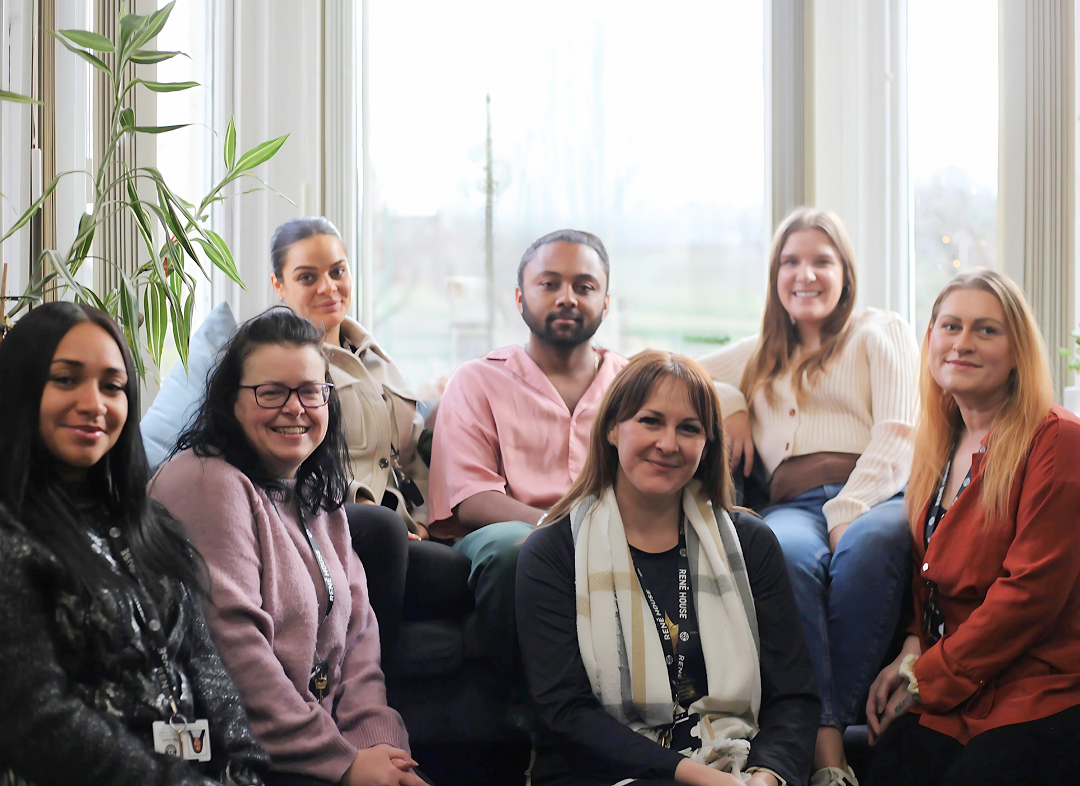
A few weeks ago, Tiffany, Theo, and our Senior Support Worker Germayne, went live on air with BBC Radio Nottingham to talk all about René House, how it started, why we exist, what work we do across Nottingham, and why The Hub is being built.
A few weeks ago, Tiffany, Theo, and our Senior Support Worker Germayne, went live on air with BBC Radio Nottingham to talk all about René House, how it started, why we exist, what work we do across Nottingham, and why The Hub is being built.
(Listen to the live recording here)
It was a great conversation with Mark ‘Sparky’ Colerangle. One that gave listeners a real sense of what René House does and why. But there was a second half to that story, and it came from someone even closer to the day-to-day reality of the work.
Germayne Hunt, our Senior Support Worker, joined the show to talk about what René House means to the people it supports, and why he does this work in the first place.
%201.png)
Why this work, and why him?
Germayne didn't come to this work by accident. He grew up in a deprived part of Nottingham, at a time when the outlook for young people around him was genuinely bleak. That experience shaped the direction he took, studying law with a focus on rehabilitation and reducing reoffending, and eventually moving into supporting people experiencing homelessness, particularly those coming out of prison with nothing waiting for them.
He spoke openly about what that gap looks like. How people leaving prison often face closed doors wherever they turn, and without support, that's often where the cycle starts again.
For Germayne, this work is about proving that doesn't have to be the outcome. That people aren't statistics, and that everyone deserves a second chance.
The barriers people don't always talk about
One of the most honest parts of the conversation was Germayne talking about literacy and numeracy, and how many of our residents struggle with both, and often feel embarrassed to admit it, which makes it hard to get them engaged with courses or training in the first place.
It's not something that gets talked about often (out of respect for the individuals), but it's a real barrier, and one that can quietly stop someone from moving forward even when the support is available.
That's exactly why the setting matters as much as the support itself. Germayne spoke about needing somewhere intimate, somewhere people feel comfortable enough to learn, rather than somewhere that feels like another institution to be judged by.
Why The Hub exists
This is where the Hub comes into it.
A space designed around exactly that need, somewhere residents can build the practical skills that lead to independence. Maths and English, CV writing, the groundwork that leads to a job and, eventually, a home of their own.
For people coming out of prison specifically, Germayne highlighted something else The Hub offers that many other services can't: handling risk assessments in house, so that people who have been in the prison system aren't turned away before they've even had the chance to try.
When asked whether Nottingham has enough spaces like this, Germayne didn't hesitate: "Not nearly enough".
A second chance, and a lot of heart
What came through most in Germayne's interview wasn't just the practical case for The Hub, it was hearing how personally invested he is in it. This isn't just about a job for him. It's shaped by where he came from, what he has experienced, and what he's chosen to do with that .
A huge thank you to Germayne for speaking so openly, and to BBC Radio Nottingham for giving us the platform to share both his story and Tiff and Theo's.