How Organisations Like Ours Work to Prevent Homelessness
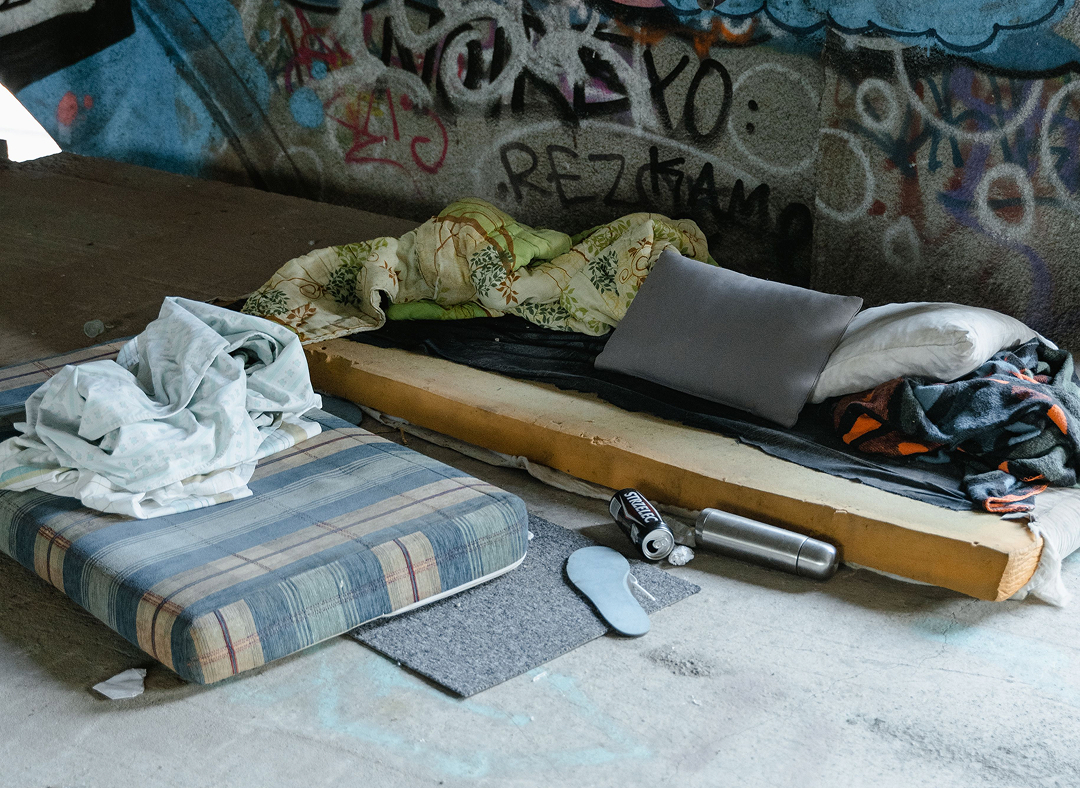
Although we wish we could, we can’t prevent people from becoming homeless before they come into our world. What we can do though, is prevent it happening again.
Although we wish we could, we can’t prevent people from becoming homeless before they come into our world.
That’s a much bigger issue than any one organisation can solve.
It involves mental health services, addiction support, early intervention, and systems being able to recognise when someone is starting to struggle — not at the point of crisis, but long before it happens.
By the time someone reaches supported accommodation, a lot has already happened. And in many cases, a lot of opportunities for earlier support have already been missed.
That’s the reality of the system as it stands. But that doesn’t mean prevention isn’t possible.
What we can do as an organisation is prevent it happening again.
For us, that’s where the real focus lies.
It’s about preparing people properly for independent living — not just finding them a tenancy and hoping for the best. It means building confidence, establishing routines, and helping people understand what managing a home actually involves day to day.
In practice, that looks like:
- Supporting people to manage finances and budgeting
- Helping them understand tenancies and their responsibilities
- Building everyday life skills – from maintaining a home to managing appointments
- Providing consistent, one-to-one support as challenges arise
It also means continuing support beyond the point of moving on. Because moving someone into a tenancy isn’t success on its own – sustaining it is.
Without the right preparation and ongoing support, it’s far too easy for people to fall back into the same cycle.
Prevention doesn’t start in one place, and it doesn’t belong to one service.
It exists across the entire journey, from early intervention in the wider system, through to the work we do within supported accommodation, and beyond.
And where we sit, our role is simple: to make sure that when someone is given a second chance, they have the best possible opportunity to make it last.