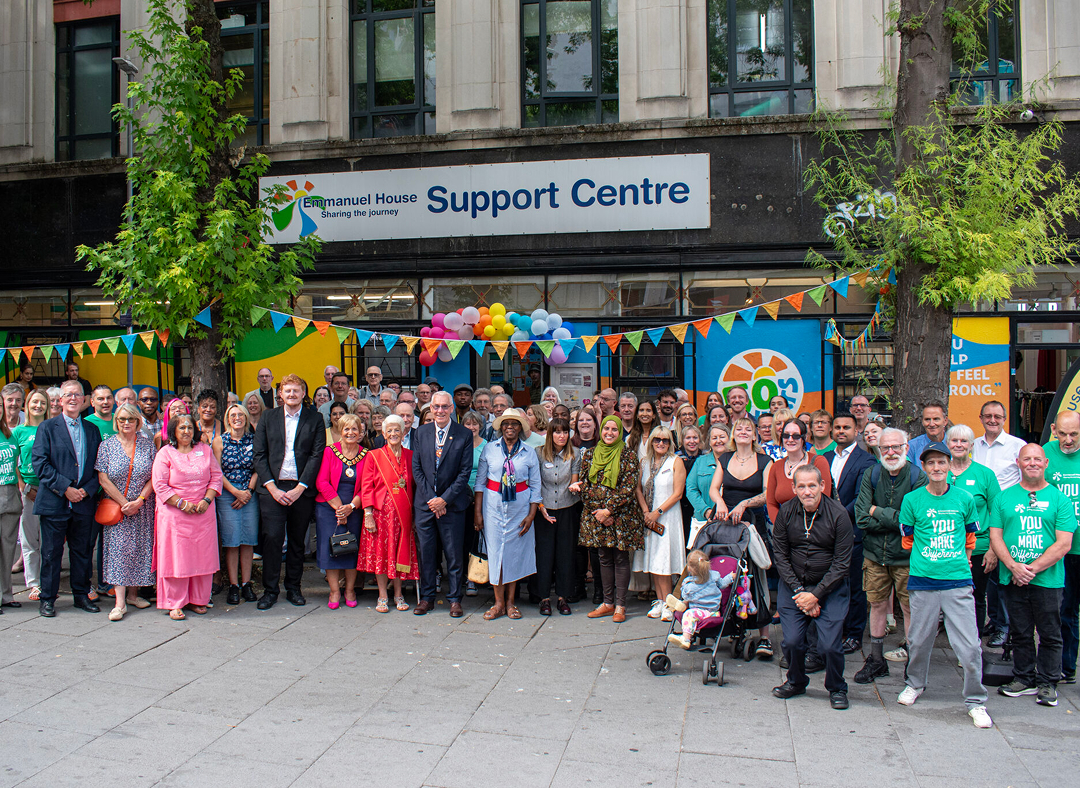
Celebrating Small Charity Week 2026 — Why it Matters
This week marks Small Charity Week 2026 in the UK — a week dedicated to recognising the work of small charities, non-profits, and community organisations across the country.
It might not be a date that means much to most people, but for organisations like ours, it's a moment worth talking about.
Small organisations don't tend to have huge marketing budgets, corporate sponsors, or long lists of major donors to fall back on. What we have instead is our community, the people, businesses, and supporters who show up for us in ways big and small.
And that community support genuinely matters.
It can look like a donation, an offer of time or skills, or simply sharing what we do with people in your network. None of it has to be huge to make a real difference.
If you've ever thought about supporting a local charity, non-profit, or community organisation, this is a great week to do it! Whether that's an animal shelter, a homeless charity, a food bank, or a small CIC like us — your impact will be felt at a local level, often more visibly than you'd expect.
But more than anything, this week is about shining a light on small organisations everywhere doing big things with very little — and the people who help make that possible.
If you'd like to find out more about Small Charity Week, you can visit the movement here: https://www.smallcharityweek.org.uk/