The Life Skills Gap — The Impact of Upbringing, Care, and the Prison System on Adults
When we talk about life skills support for our residents experiencing homelessness, we are sometimes met with questions. Why might adults need life skills support?

When we talk about life skills support for our residents experiencing homelessness, we are sometimes met with questions about why adults would need this type of support. It can sound unnecessary, maybe even patronising, to those who grew up in environments where those things were simply absorbed along the way.But, it's important to understand that not everyone grew up in those environments.
For many, the basics of adult life — how to manage money, cook a meal, keep a home, navigate a difficult conversation, apply for a job, or simply ask for help — were picked up gradually through childhood and adolescence. Through watching parents, being taught routines, through consistent education, making mistakes in safe environments, and having people around to correct and guide them.
It was subconsciously absorbed along the way.
But when the environment that's supposed to provide that simply isn't there, those foundations often don't get built.
When home isn't a safe place to learn
For children growing up in unstable family situations, whether that's domestic violence, addiction, neglect, poverty, or simply parents who were themselves struggling, childhood can look very different. Survival takes priority over development and education, and children in these situations are frequently focused on managing their environment rather than learning from it.
The same is true for those who spend time in the care system. Despite the best efforts of many dedicated professionals, children moving between placements rarely get the consistency and continuity they need to build solid foundations. Routines change with each placement, relationships reset. The kind of gradual, sustained learning that happens in a stable home environment simply doesn't get the chance to take root.
The cycle that nobody talks about enough
For young people who go on to have contact with the criminal justice system, the gaps often widen further. Prison removes people from everyday life entirely, and while rehabilitation programmes exist, time inside rarely teaches someone how to budget, cook, maintain a tenancy, or manage the admin of modern adult life. And then, when someone leaves prison, they're expected to navigate all of that immediately, often with very little support and a significant amount of stigma attached.
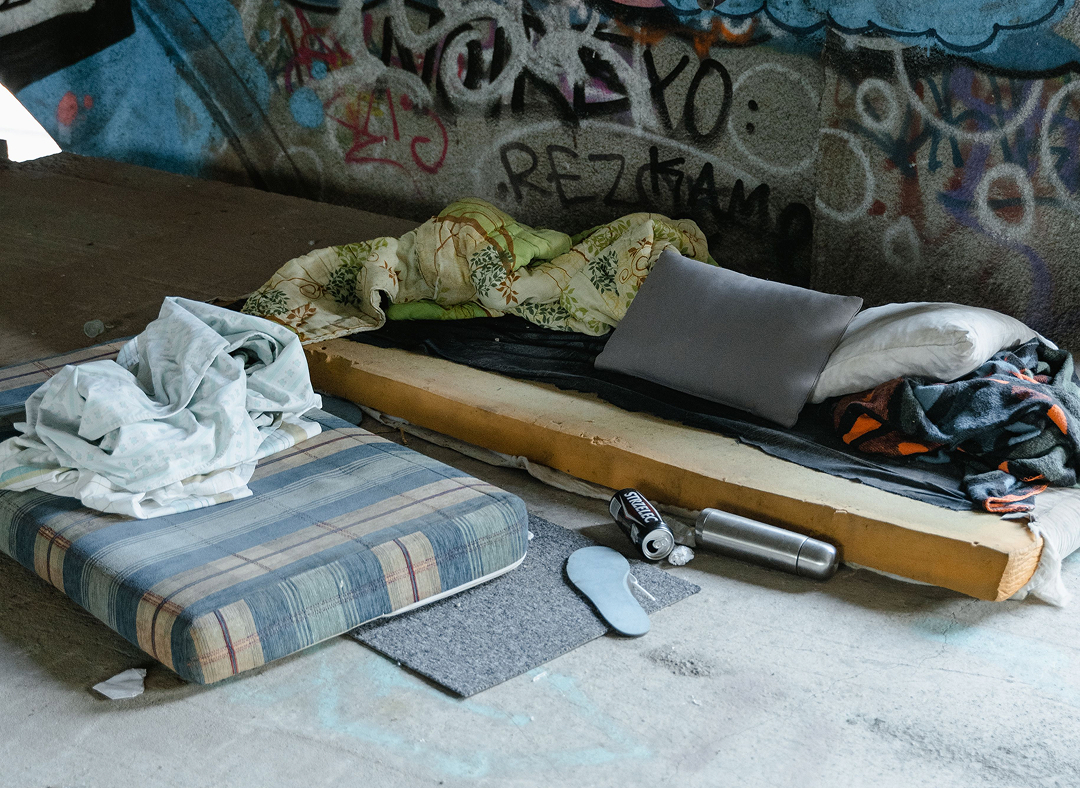
And then there's homelessness. Which, for many people, isn't a sudden crisis but the eventual result of years of instability, a system that was never really designed to catch them before they fell.
This is all down to opportunity.
We want to stress that none of this is about intelligence or capability. The people we support at René House are resourceful, resilient, intelligent, and determined. But resilience built in survival mode looks different to the kind of quiet, practical confidence that comes from having had a stable foundation to grow from.
It's a big reason behind why we're building The Hub, and everything we want to do there.